
Industrial solar power systems in 2025, across New Jersey face rising utility costs and unpredictable energy expenses as 2025 approaches. The need for reliable, scalable solutions is urgent, and industrial solar power systems stand out as the answer for businesses determined to lock in savings and future-proof operations.
With commercial electricity rates surging and grid instability increasing, forward-thinking property owners are using solar to stabilize costs, unlock new revenue streams, and boost asset value. Adoption of these systems is accelerating, fueled by zero-CapEx models, lucrative incentives, and proven ROI.
This essential guide will walk you through the latest technology trends, financial models such as power purchase agreements, New Jersey-specific market dynamics, practical implementation steps, and the measurable returns that industrial solar power systems deliver.
Discover how your facility can gain a competitive edge, maximize property value, and secure long-term energy stability. Read on to explore every advantage and actionable step in this comprehensive resource.
Rising energy costs and grid instability are redefining the priorities for New Jersey’s industrial sector, making industrial solar power systems in 2025 a financial necessity rather than a luxury. In 2025, industrial solar power systems move from a sustainability option to a financial necessity, offering a direct response to volatile utility bills and competitive market pressures.
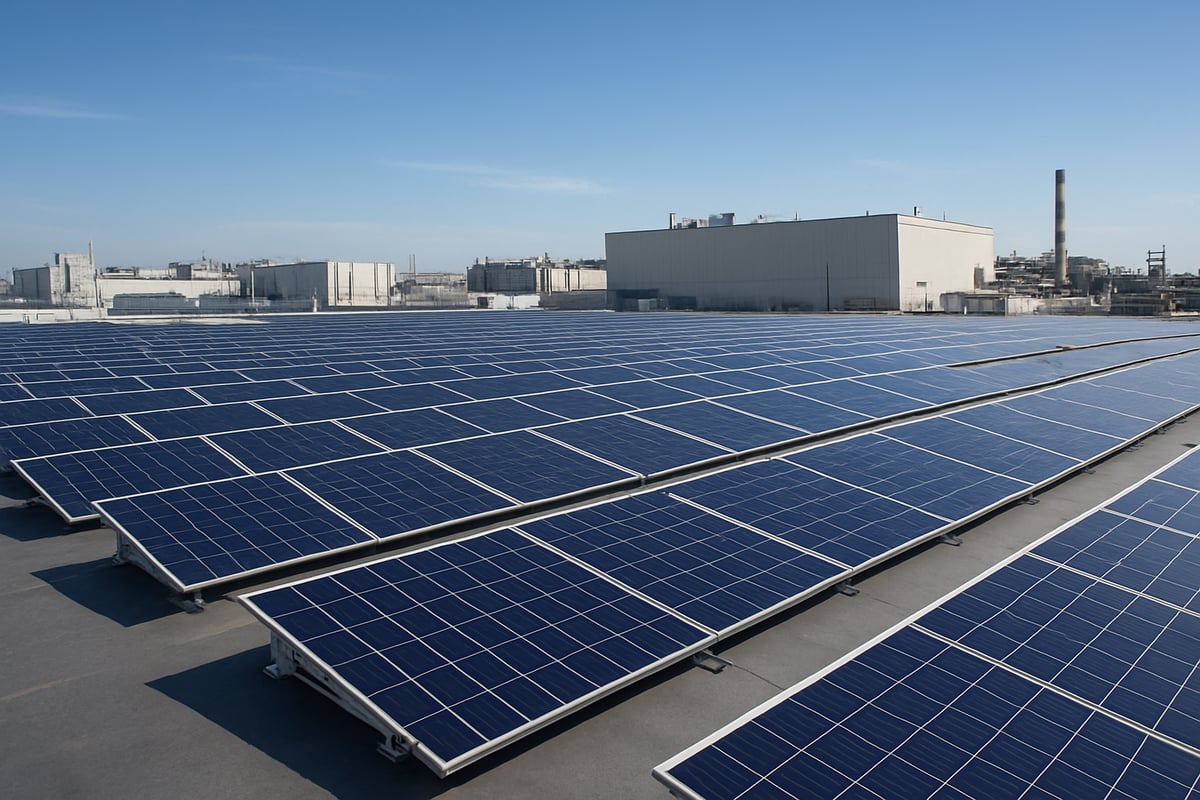
Industrial facilities in New Jersey face double-digit increases in commercial utility rates, driven by peak demand charges and grid congestion. Energy use in manufacturing and warehousing is intense and often unpredictable, leaving businesses exposed to cost spikes. Industrial solar power systems address this volatility, providing a self-generated energy source that stabilizes expenses and mitigates the financial impact of utility rate hikes. As the grid wrestles with reliability issues, on-site solar also reduces exposure to outages, strengthening operational resilience for industrial properties.
These advancements show how industrial solar power systems in 2025 outperform prior generations, delivering higher output and more reliable long-term savings. High-capacity solar modules now enable facilities to deploy megawatt-scale arrays on rooftops, maximizing energy output per square foot. Integration with advanced battery storage and smart energy management platforms allows for peak shaving and optimized usage patterns. Recent New Jersey installations regularly exceed 1 MW per site, demonstrating the scalability and flexibility of these solutions for diverse industrial operations.
Federal Investment Tax Credit (ITC) extensions and New Jersey-specific programs such as SREC-II and TREC drive the economics of industrial solar power systems. The state’s Clean Energy Program continues to evolve, offering new funding pathways in 2025. Compliance requirements around ESG reporting and carbon mandates are tightening, motivating early adoption. For a detailed breakdown of available incentives, see the New Jersey Solar Incentives Overview, which covers both state and federal opportunities for industrial owners.
The adoption of industrial solar power systems is accelerating. The U.S. industrial solar market is projected to grow by 18% annually through 2025, led by manufacturing and logistics operators seeking cost control and sustainability benefits. Case studies show that facilities with on-site solar attract higher-quality tenants and investors. Solar implementation is emerging as a key differentiator, enabling industrial landlords to offer stable energy pricing and improved ESG credentials in a crowded marketplace.
On-site industrial solar power systems directly increase property value by reducing operating costs and enhancing lease appeal. Facilities equipped with solar command higher rents and see longer lease terms, as tenants value the cost predictability and business continuity provided by on-site generation. Data from recent transactions indicate that industrial properties with solar experience measurable increases in appraised value, making solar a strategic investment for both owners and operators.
Industrial solar power systems are transforming the economics of energy for facility owners and operators. The right financial model is crucial to unlocking savings, stability, and new revenue in a high-cost market like New Jersey. The following models are leading the way in 2025.
Zero-CapEx programs allow businesses to install industrial solar power systems with no upfront investment. Providers bundle solar with much-needed roof replacements, addressing both energy and infrastructure needs in a single package. These long-term leases, often spanning 20 years, offer predictable costs and immediate savings.
For aging properties, this approach is a game changer. Owners avoid large capital outlays and upgrade their facility’s envelope at the same time. To see how these solutions work in detail, explore Zero-CapEx Solar for Industrial Sites. Bundling solar and roofing maximizes operational uptime and reduces future maintenance risk.
PPAs are a cornerstone of industrial solar power systems financing. Under a PPA, a third party installs and owns the solar array, selling the generated electricity to the property at a fixed rate. This shields businesses from escalating utility prices and eliminates the need for upfront capital.
Typical PPA terms run 15 to 25 years, aligning with the operational life of the system. Businesses benefit from stable, below-market electricity rates and flexible contract options. These agreements shift performance and maintenance risk to the provider, ensuring reliable long-term savings for industrial clients.
Investor-backed models are gaining traction for large-scale industrial solar power systems. Institutional investors fund the installation and maintenance, retaining system ownership. Facility owners enter shared savings or leaseback arrangements, paying only for the power generated.
This model works especially well for multi-site portfolios, offering scale, efficiency, and risk diversification. Owners can focus on core operations while investors handle system performance and compliance. The result is enhanced cash flow and access to advanced solar technology without direct financial exposure.
Industrial solar power systems create new revenue streams through roof leasing and grid participation. Property owners can lease rooftop space to solar developers, generating passive income. In New Jersey, typical lease rates are competitive, making this an attractive option for underutilized assets.
Selling excess solar power back to the grid via net metering further boosts returns. Facilities can offset peak demand charges and monetize surplus generation. This dual approach enhances asset value while supporting grid stability and local clean energy targets.
Federal and state incentives are integral to the financial case for industrial solar power systems. The federal Investment Tax Credit (ITC) and accelerated depreciation through MACRS deliver immediate tax relief. New Jersey’s SREC-II and TREC programs add substantial recurring value.
Accelerated depreciation allows owners to recover a significant portion of system cost in the first year, improving project cash flow. A typical scenario: a 500 kW industrial system can achieve positive cash flow in year one, with ongoing savings compounding over time. Strategic use of incentives maximizes ROI and reduces payback periods.
Solar Cents specializes in turnkey industrial solar power systems for commercial and industrial properties. Their process covers financing, engineering, construction, and ongoing management, ensuring a seamless experience from start to finish.
With over 175 MW installed and deep expertise in incentive maximization, Solar Cents delivers tailored solutions that increase property value and drive long-term savings. Their focus on New Jersey and similar high-cost markets positions clients to capitalize on every available benefit and future-proof their energy strategy.
Implementing industrial solar power systems requires a disciplined, phased approach. Each stage builds on the last, ensuring technical feasibility, financial viability, and long-term performance. This step-by-step guide clarifies the process from initial assessment through ongoing monitoring, equipping facility managers and property owners to make informed, profitable decisions.
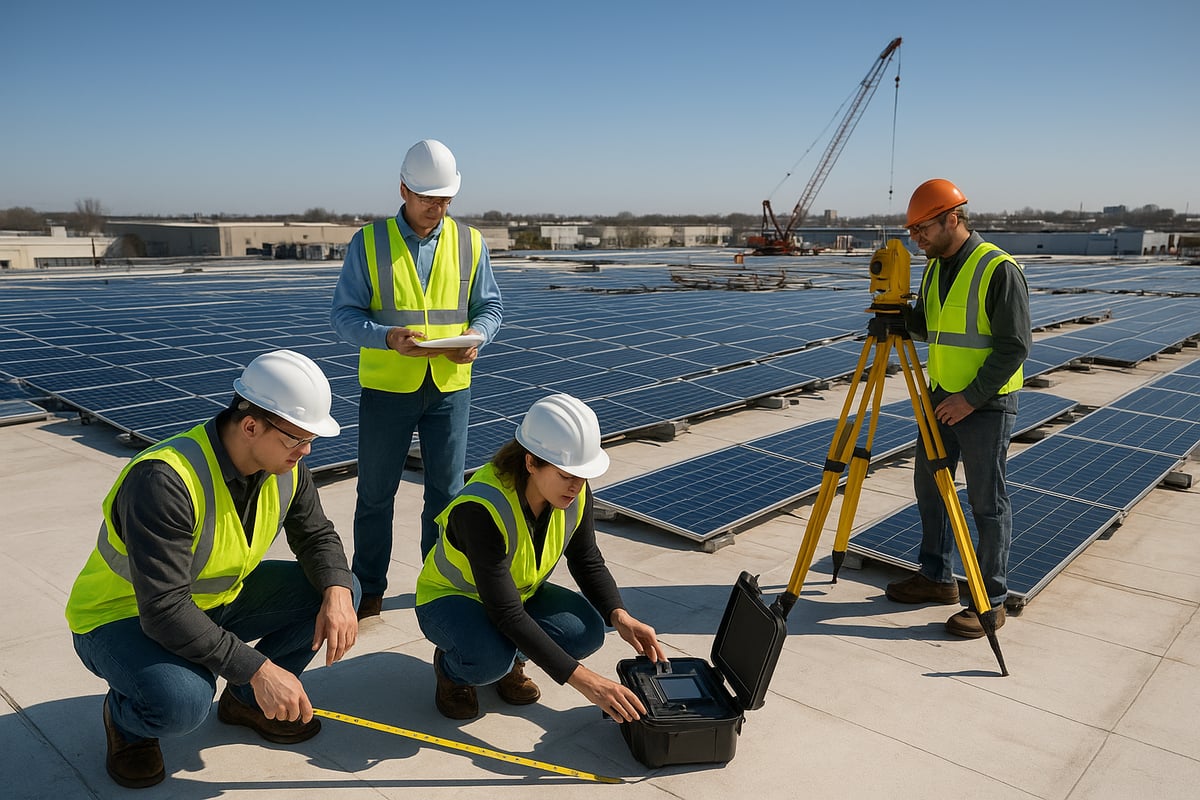
Every industrial solar power systems project begins with a rigorous site assessment. Teams evaluate the roof’s size, age, and structural integrity to verify suitability for solar modules. Solar potential is mapped using advanced tools, factoring in shading, tilt, and available surface area.
Energy usage profiling is critical. Detailed load analysis uncovers peak demand patterns and seasonal fluctuations. For manufacturing facilities, pre-installation audits often identify efficiency upgrades that further lower costs when paired with solar.
A thorough feasibility analysis lays the groundwork for accurate modeling and ensures the investment aligns with operational goals. For a deeper dive into technical and financial processes, see How Commercial Solar Works.
With site data in hand, financial modeling projects savings, ROI, and payback period. Industrial solar power systems leverage multiple incentives, including federal ITC and New Jersey’s SREC-II or TREC programs. Modeling incorporates utility rates, peak demand charges, and annual consumption.
Navigating incentive applications is time-sensitive. Teams prepare documentation for state and federal programs, often working with consultants to streamline approvals. In New Jersey, timelines from application to incentive approval typically range from 30 to 90 days, depending on project size and complexity.
Clear financial projections enable stakeholders to compare zero-CapEx, lease, PPA, or direct purchase options confidently. This stage ensures every dollar invested delivers maximized returns.
Custom engineering is essential for industrial solar power systems to deliver robust performance. System designers optimize panel layout based on roof geometry, orientation, and obstructions. High-capacity modules and smart inverters are specified to match facility needs.
Battery storage integration is considered for peak shaving and resilience. For multi-building industrial parks, centralized energy management and sub-metering allow granular control and monitoring.
Engineering teams produce detailed construction drawings and specifications, ensuring compliance with local codes and utility requirements. Every design aims to balance output, reliability, and long-term maintainability.
Selecting the right financing structure is pivotal. Industrial solar power systems frequently utilize zero-CapEx solutions, PPAs, or leases to eliminate upfront cost burdens. Investors or solar developers fund the installation, and owners pay only for energy consumed or lease the asset.
Contract terms are negotiated to provide flexibility and risk mitigation. For multi-tenant properties, agreements specify energy allocation, maintenance responsibilities, and escalation clauses.
Well-structured agreements align interests across all parties, supporting long-term stability and positive cash flow. This stage transforms technical potential into a bankable, revenue-generating asset.
Industrial solar power systems must navigate municipal permitting, utility interconnection studies, and regulatory reviews. Each jurisdiction has unique requirements for zoning, fire codes, and electrical standards.
Utility interconnection is a critical milestone. Studies assess grid impact and specify metering configurations. Common bottlenecks include queue times for utility reviews and technical upgrades.
In New Jersey, average permitting and interconnection timelines range from 60 to 120 days. Proactive coordination with local authorities and utilities expedites approvals, minimizing project delays.
Construction is scheduled to minimize operational disruptions. Phased installation allows continued facility operation while work proceeds in designated zones. Experienced crews handle racking, panel mounting, inverters, and wiring with precision.
Commissioning follows a strict protocol. Systems are tested for safety, performance, and code compliance. Independent verification ensures every industrial solar power systems installation meets or exceeds design specifications.
Quality assurance is integral, with detailed checklists and performance benchmarks guiding the handoff from construction to operations.
Once operational, industrial solar power systems rely on advanced remote monitoring platforms. Real-time data tracks energy production, system health, and efficiency. Alerts trigger rapid response protocols if anomalies arise.
Scheduled maintenance includes visual inspections, cleaning, and electrical testing. Most providers guarantee uptime and production, with contractual metrics tied to system output.
Performance reports support compliance with ESG commitments and utility reporting. Continuous optimization safeguards the long-term value and resilience of your solar investment.
Maximizing returns and minimizing risk are top priorities for decision-makers exploring industrial solar power systems. Understanding the financial, operational, and reputational impacts of these systems is essential for long-term business success.
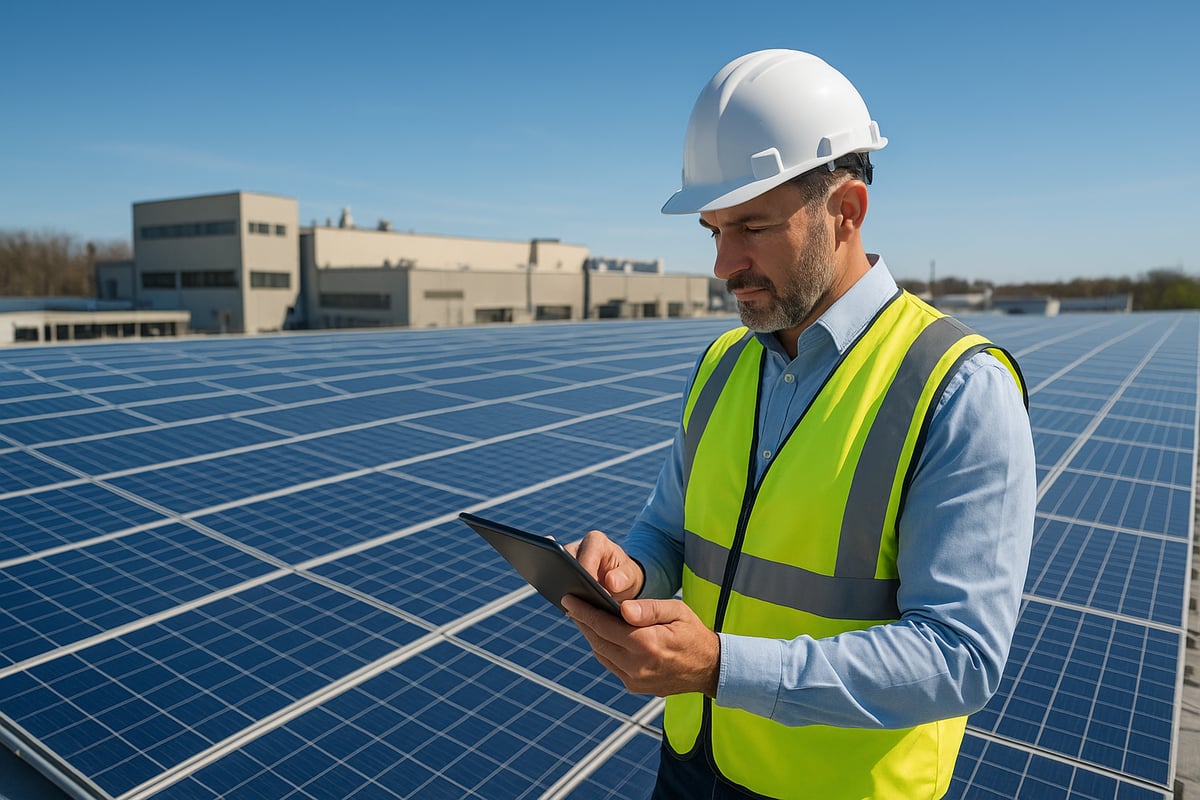
Calculating return on investment for industrial solar power systems requires a close look at utility rates, system size, and available incentives. In New Jersey, typical payback periods range from four to six years for a well-designed 500 kW system. With rising electricity costs, industrial solar power systems often deliver annual savings of 15 to 25 percent compared to grid power.
| System Size | Upfront Cost (Zero-CapEx) | Year 1 Savings | Payback Period |
|---|---|---|---|
| 500 kW | $0 (via PPA/lease) | $75,000 | 4–6 years |
Accurate financial modeling includes federal ITC, MACRS depreciation, and state incentives, ensuring industrial solar power systems meet or exceed project expectations.
Industrial solar power systems provide long-term stability by locking in predictable energy costs for 20 years or more. This shields businesses from volatile utility rate increases and peak demand charges that can erode margins. By generating power on-site, companies hedge against future uncertainty and gain consistent monthly savings.
For many New Jersey facilities, energy expenses represent a significant portion of operating costs. Industrial solar power systems help reduce this burden, supporting budget accuracy and financial planning for the entire asset lifecycle.
Risk management is built into modern industrial solar power systems through robust contracts, equipment warranties, and insurance coverage. Performance guarantees ensure that systems deliver expected output, while production warranties often last 20 to 25 years.
Power purchase agreements and leases clearly define risk allocation between owners and investors. Insurance policies protect against property damage, business interruption, and liability. These protections give stakeholders confidence that industrial solar power systems are a secure, long-term asset.
On-site solar significantly boosts industrial property value and lease appeal. Facilities with industrial solar power systems command higher rents, attract quality tenants, and enjoy longer lease terms. Solar installations can increase appraised property values by 4 to 8 percent, depending on system size and energy savings.
For a detailed look at how solar increases net operating income and asset value, see Boost Property NOI with Solar. Owners who invest in industrial solar power systems often report improved tenant retention and a competitive edge in the market.
Industrial solar power systems help companies achieve ambitious sustainability and ESG goals. By reducing carbon emissions and supporting supply chain decarbonization, these systems enhance a company’s brand and stakeholder relationships.
Clients regularly report improved perception among customers, investors, and regulators after deploying industrial solar power systems. Meeting ESG requirements is no longer optional, and solar provides a visible, measurable path to compliance and leadership in the industrial sector.
Industrial solar power systems are entering a new era of innovation and strategic opportunity. As businesses plan for 2025 and beyond, the landscape is defined by advanced technology, evolving incentives, and the growing need for resilience. Forward-thinking property owners and facility managers can harness these developments to maximize savings, stability, and asset value.
The next wave of industrial solar power systems will be defined by smarter, more integrated solutions. Battery storage is moving from optional to essential, allowing facilities to store excess energy and deploy it during peak demand or outages.
Artificial intelligence is streamlining energy management. AI-driven platforms can forecast production, optimize battery use, and enable real-time participation in demand response programs. Recent deployments show solar-plus-storage systems using AI to cut peak costs and support grid reliability.
Industrial solar power systems are now positioned to earn revenue through grid services, such as frequency regulation and load balancing. These advanced capabilities make solar a strategic asset for future-proofing industrial operations.
The policy landscape for industrial solar power systems is dynamic, especially in New Jersey. Businesses must keep pace with changes in federal, state, and local incentives to maximize project returns.
The federal ITC remains a cornerstone, but state programs are evolving rapidly. New Jersey’s Clean Energy Program and SREC-II continue to provide strong value, while the new New Jersey’s Competitive Solar Incentive Program supports large-scale and grid supply solar projects. Facility owners should monitor updates to ensure compliance and capitalize on available funding.
Carbon pricing and stricter ESG mandates are on the horizon. Proactive planning for these shifts will position industrial solar power systems as a core compliance and cost-control tool.
Industrial solar power systems are central to the broader energy transition. On-site generation contributes directly to grid decarbonization and supports both state and national emission targets.
Manufacturing and logistics sectors are leading the way, reducing operational carbon footprints and enhancing supply chain sustainability. Sector-wide adoption of industrial solar power systems is driving measurable emissions reductions and positioning businesses as leaders in environmental stewardship.
As more facilities deploy solar, the cumulative impact accelerates progress toward a resilient, low-carbon economy.
The future of industrial solar power systems will be shaped by collaboration. Portfolio-wide aggregation allows property owners to deploy solar across multiple sites, unlocking economies of scale and streamlined financing.
Strategic partnerships with utilities, technology providers, and investors are growing. These relationships enable innovative power purchase agreements, shared savings, and joint participation in grid programs.
Portfolio PPA models are gaining traction in industrial real estate. By leveraging aggregation, businesses can negotiate better terms and maximize returns from industrial solar power systems.
While opportunities abound, industrial solar power systems face market and technical barriers. Roof age and structural constraints can limit solar adoption, especially in older facilities.
Financial hurdles, such as limited access to capital or complex ownership structures, require creative solutions like zero-CapEx programs and investor-funded models. Internally, stakeholder alignment and change management remain critical.
Successful projects overcome these obstacles by conducting thorough feasibility assessments, engaging all decision-makers early, and choosing flexible financing and contract structures for industrial solar power systems.
Long-term energy strategy demands resilience and adaptability. Industrial solar power systems provide a platform for microgrids, electrification, and future technology integration.
To lead in 2025 and beyond, industrial owners should:
Aligning with these steps ensures that industrial solar power systems deliver stable savings, asset value, and a competitive edge in the evolving energy landscape.
As you consider how industrial solar can help you take control of rising energy costs, boost your property’s value, and meet evolving sustainability goals, it’s clear that the right solution depends on your facility’s unique needs and roof. With so many advancements and no-capital-expenditure options available, now is the perfect time to see if your site is a strong candidate. Let’s take the guesswork out of the process—you can Find Out If Your Roof Qualifies for No Cost Solar and get tailored insights to help your business plan confidently for 2025 and beyond.
