
Rising energy costs and unpredictable demand charges are squeezing your margins. Battery storage for manufacturers offers a way to cut those spikes through peak shaving and time-of-use arbitrage, smoothing out your bills and protecting your cash flow. When paired with solar and microgrids, it creates a resilient system that keeps your operations running even during outages. Let’s explore how this technology can stabilize your energy costs and boost your facility’s financial health. For more information, visit this link.
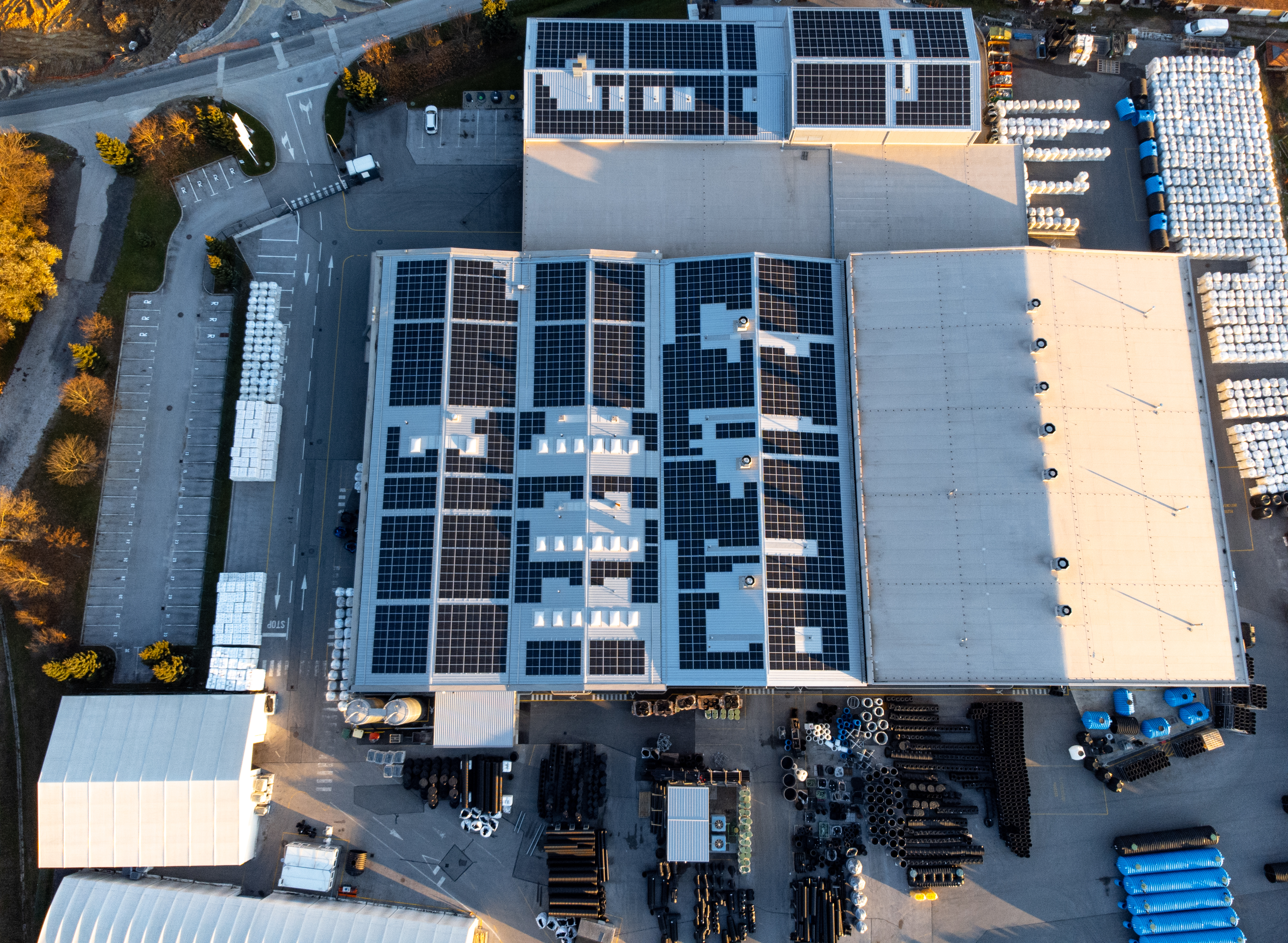
You might be wondering how battery storage can directly benefit your manufacturing facility. The answer lies in stabilizing energy costs and reducing demand charges.
Battery storage systems can help level out energy costs by storing power when rates are low and releasing it during peak periods. Imagine having a buffer that absorbs energy price fluctuations, allowing you to maintain a consistent expenditure on power. This stability is not just convenient—it’s essential for long-term financial planning in an unpredictable market. According to Colite Technologies, energy storage is crucial for achieving energy independence and reliability.
Demand charges can be a significant component of your energy bill, often accounting for up to 50% in some cases. Battery storage can drastically reduce these charges by managing and reducing peak demand. During peak periods, stored energy can supply your facility, minimizing the need to draw expensive power from the grid. This strategic use of stored energy can result in significant cost savings. A study published by ScienceDirect highlights the economic advantages of demand charge reduction in industrial applications.
Time-of-use (TOU) rates vary throughout the day, with higher prices during peak periods. By storing energy during off-peak times and using it when rates are highest, you can take advantage of these cost variations. This practice, known as TOU arbitrage, can further optimize your facility’s energy expenses. It’s like buying energy at wholesale prices and using it when it’s most expensive, adding another layer of financial efficiency.
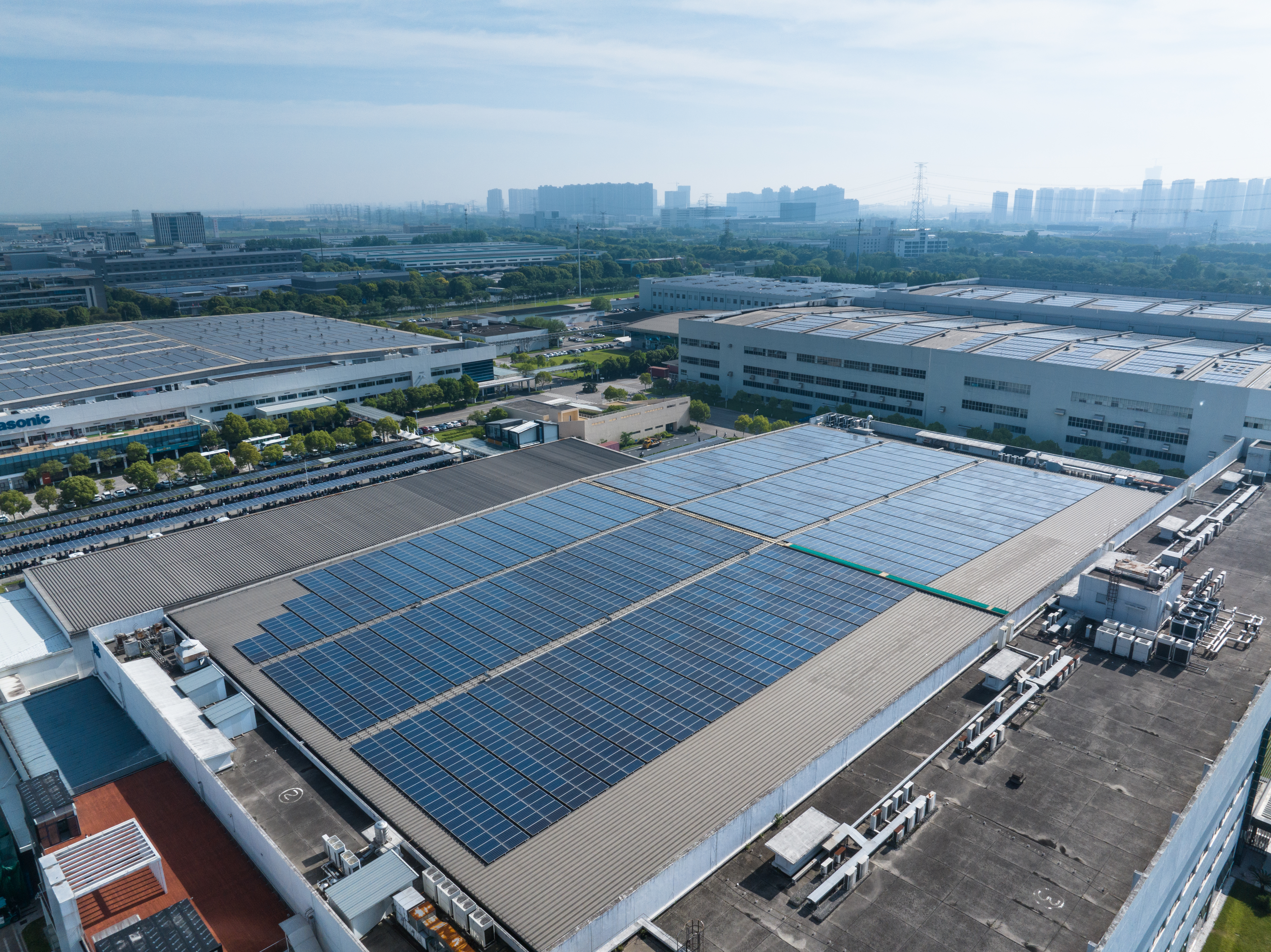
Battery storage doesn’t just stabilize costs; it also opens the door to seamless integration with renewable energy solutions. This can further enhance your facility’s resilience and financial performance.
Pairing solar power with battery storage creates a powerful duo. Solar panels generate electricity during the day, and any excess power can be stored for use at night or during cloudy periods. This synergy not only maximizes the utility of your solar installation but also ensures a steady power supply regardless of external conditions. For more insights, check out CNTE Power’s guide.
Industrial facilities can benefit immensely from microgrids, which combine solar, batteries, and other energy resources to operate independently from the larger grid. This setup ensures that your operations continue even during grid outages, providing a reliable energy source that protects against downtime. Microgrids enhance power quality and reliability, supporting continuous production and safeguarding against revenue loss.
With the rise of electric vehicles (EVs), having a battery storage system can prepare your facility for future needs. By storing energy, you can provide EV charging without incurring high demand charges or requiring costly grid upgrades. This readiness positions your facility as a forward-thinking leader in sustainable practices.
Exploring battery storage options becomes even more compelling when you understand the financial pathways and incentives available.
One of the most attractive aspects of battery storage is the option for zero capital expenditure (CapEx) projects. Through investor-funded models, you can implement these systems without upfront costs, preserving your capital for other critical investments. This approach not only alleviates financial barriers but also accelerates your path to energy independence.
In New Jersey, specific solar incentives can further reduce the financial burden of adopting battery storage. These incentives aim to promote clean energy and can significantly lower installation and operational costs. By leveraging these programs, you can enhance your facility’s energy profile while enjoying financial benefits.
Power Purchase Agreements (PPAs) offer another avenue for integrating battery storage without upfront costs. Under a PPA, an investor funds the installation, and your facility agrees to purchase the generated power at a fixed rate. This model ensures predictable energy costs and shields you from market volatility, making long-term financial planning a breeze.
In conclusion, battery storage for manufacturers is a game-changer, offering stabilized energy costs, reduced demand charges, and integration with renewable solutions. By exploring zero CapEx projects and leveraging incentives, you can transform your facility’s energy landscape into one of resilience and financial health.
