NJ commercial solar incentives can dramatically improve project returns when structured correctly. Federal tax credits, depreciation, and NJ ADI incentives can be combined to reduce costs, increase cash flow, and strengthen long-term ROI for commercial properties. You could be paying far less for energy than you think. NJ commercial solar incentives stack up in ways that cut your net costs and boost cash flow—if you know how to combine them right. In this post, you’ll get clear steps to navigate federal ITC, NJ ADI SREC-II, MACRS depreciation, and utility programs to strengthen your commercial solar ROI without spending a dime upfront. For more information, check out this guide to solar incentives in New Jersey.
Solar power offers you the chance to control your energy costs and boost property value. But to get the most from solar, you need to understand the available incentives. Here’s a breakdown of key programs that can help.
The Federal Investment Tax Credit (ITC) is a key player in solar savings. You can deduct 30% of your solar system costs. This tax credit can significantly lower your expenses, making your project more affordable. The IRA bonus credits offer additional savings, giving you more reasons to go solar.
These federal incentives reduce upfront costs, which can be a game changer for your business. You take one step toward sustainability while enjoying immediate financial benefits. Keep in mind, the longer you wait, the less you benefit from these credits. For detailed insights on calculating solar ROI, visit Solar ROI Calculation Guide.
The Modified Accelerated Cost Recovery System (MACRS) and bonus depreciation offer substantial tax benefits. With MACRS, you recover solar costs over five years. This means more cash in your pocket sooner. Bonus depreciation allows you to deduct 100% of your solar investment in the first year.
These tax incentives boost your cash flow early on. This strategy not only cuts costs but also enhances your financial health. Most people believe solar is too costly, but these programs prove otherwise. Discover more on solar tax incentives at Solar Depreciation Guide.
New Jersey offers its own set of incentives. The NJ Board of Public Utilities (BPU) and the ADI SREC-II programs reward you for generating solar energy. These programs offer credits you can trade, adding another income stream. Understanding NJ commercial solar incentives is the first step to designing a project that delivers strong cash flow and long-term savings.
By participating, you not only save money, but you also contribute to a cleaner environment. These incentives make solar power a financially sound choice. The SuSI program is another option worth exploring. Find out more about maximizing your PV investment returns in New Jersey at JCP&L Solar Incentives.

Understanding incentives is just the start. The right strategies can make solar investment even more cost-effective. Let’s look at some ways to achieve this without upfront costs.
Zero CapEx options like Power Purchase Agreements (PPAs) and leases eliminate the need for initial investment. You pay only for the energy you use, while investors handle the system’s costs. This setup means immediate savings without financial risk. When structured correctly, NJ commercial solar incentives can allow projects to move forward with little or no upfront capital.
These options let you focus on your business while enjoying energy savings. They’re ideal for those wary of large investments but eager to reduce energy expenses. Many believe solar requires a hefty initial cost, but PPAs and leases prove otherwise. For more on commercial solar options, check Commercial Solar Guide.
New Jersey offers tax exemptions that can reduce your solar costs further. Sales and property tax exemptions lower the financial burden, making solar more appealing. Community solar programs also offer benefits. By joining, you share solar resources and savings with others, enhancing your investment.
These programs provide financial relief and community benefits. They make solar an attractive option for businesses looking for savings and sustainability. The idea that solar is costly is quickly becoming outdated.
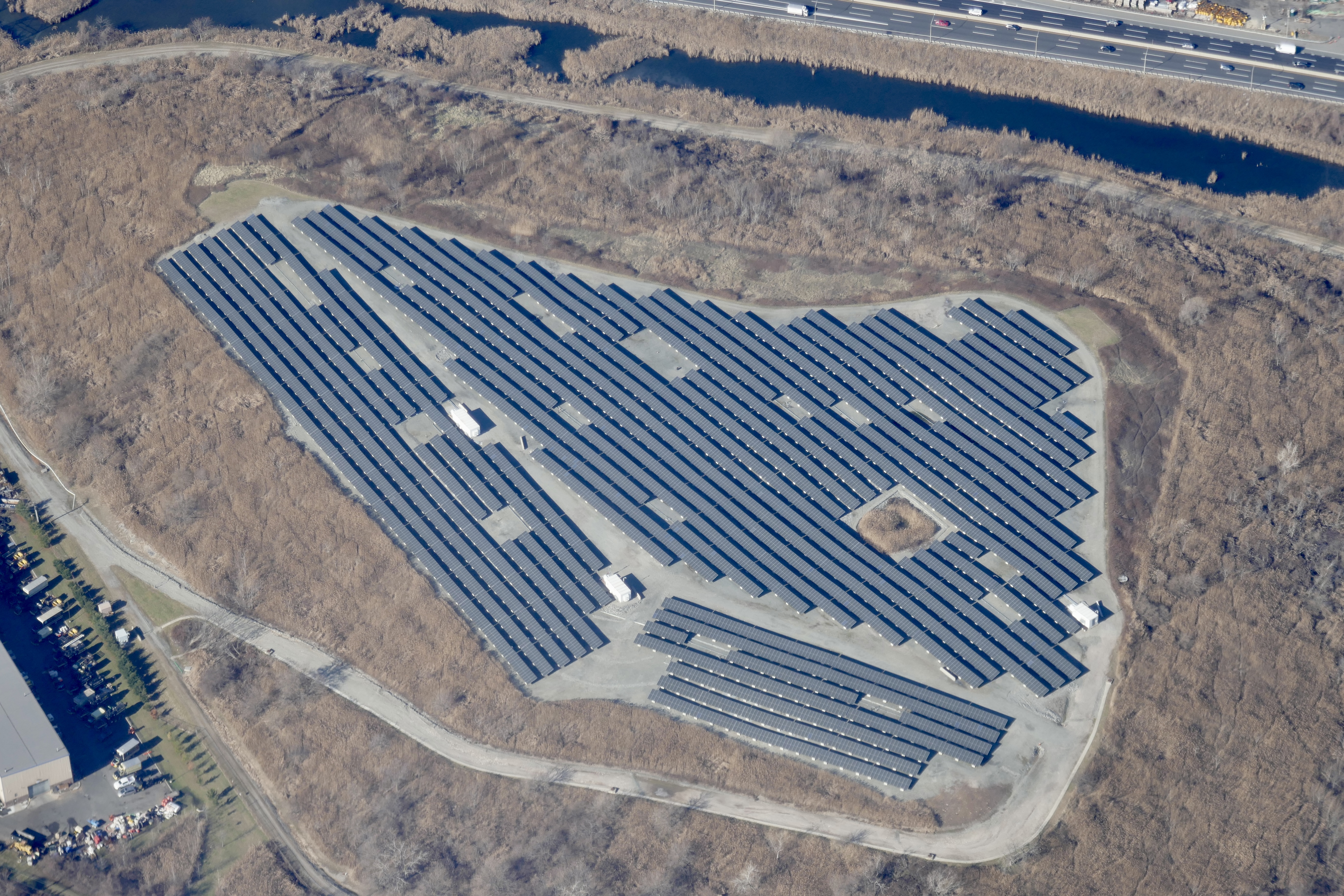
Adding more elements to your solar setup can further enhance your ROI. Consider these options for even greater returns.
Battery storage systems store excess solar energy for later use, ensuring continuous power supply. Microgrids enhance energy reliability by operating independently of the main grid in emergencies.
These enhancements improve energy resilience and optimize solar use. They are valuable investments for businesses prioritizing stability and efficiency. Most assume solar is just panels, but storage and microgrids offer much more. Facilities that want greater resilience often explore battery storage and microgrid solutions like those outlined here: Microgrid Solutions to reduce peak demand and improve uptime.
Installing EV charging stations can attract eco-conscious customers and employees. Roof replacement programs allow for solar installation without added costs, ensuring you get a new roof and solar setup simultaneously. These additions not only save money but also increase property appeal and value. They demonstrate a commitment to sustainability, which is increasingly important to customers and stakeholders.
Most successful projects start by modeling available NJ commercial solar incentives alongside energy usage and roof condition. By leveraging these incentives and strategies, you can achieve the strongest ROI from your solar investment. The benefits extend beyond energy savings to include property value enhancement and sustainability leadership. Now is the time to explore these options and empower your business for the future.
If you want to see how these incentives apply to your facility, you can schedule a free solar asset evaluation here: Feasibility Study and we can model the numbers quickly.