
Rising utility costs and evolving energy policies are driving businesses to rethink their approach to energy. In 2025, commercial solar energy systems offer a strategic path for companies to control expenses, increase property value, and stabilize operations.
This guide delivers a comprehensive roadmap for leveraging commercial solar energy systems. Discover how zero-capital-expenditure solutions, roof replacement integration, and innovative financing models like PPAs can unlock immediate and long-term savings.
Explore the latest regulatory trends, actionable steps for project success, and proven strategies to maximize return on investment. Gain practical insights to confidently navigate the transition to on-site solar generation for lasting business value.
The 2025 Commercial Solar Landscape: Trends, Opportunities, and Challenges
Market Drivers and Industry Growth
The landscape for commercial solar energy systems in 2025 is being shaped by several powerful market forces. Businesses face escalating electricity prices and greater volatility in utility rates, pushing decision-makers to seek more predictable and cost-effective solutions. Expanding state and federal incentives, such as the 30% Federal Investment Tax Credit and New Jersey’s ADI program, are making projects more attractive. Corporate ESG mandates and sustainability reporting requirements are now standard, while investor demand for renewable energy assets continues to climb. In fact, according to U.S. Commercial Solar Market Growth in 2025, the market saw a 108% increase in installations in Q1 2025, reflecting unprecedented momentum for commercial solar energy systems.
Regulatory and Policy Developments
Regulatory shifts are accelerating the adoption of commercial solar energy systems. Federal tax credits and accelerated depreciation schedules have been updated, extending benefits and improving payback calculations. State-specific programs, including the New Jersey Clean Energy Program and ADI incentives, offer additional layers of financial support. Local permitting and utility interconnection reforms are streamlining project timelines, reducing red tape for commercial installations. Looking ahead to 2025, anticipated policy changes could further enhance business cases, making it essential for companies to stay informed and agile in their planning for commercial solar energy systems.
Technology Advancements and System Types
New technologies are expanding the potential and reliability of commercial solar energy systems. High-efficiency modules, bifacial panels, and smart inverters are now standard, maximizing output from limited roof space. Battery storage integration enables peak shaving and critical backup capabilities, supporting operational resilience. Microgrid and hybrid systems are gaining traction, especially for facilities requiring uninterrupted power. Businesses can choose from rooftop, carport, ground-mount, or community solar configurations, allowing for tailored solutions that fit diverse property types and energy needs.
Key Barriers for Businesses
Despite strong incentives, some businesses still hesitate to invest in commercial solar energy systems due to key barriers. Upfront capital requirements and strict budget cycles can delay projects, especially for organizations with aging roofs or structural concerns. Uncertainty about long-term energy needs or property tenancy may complicate the decision-making process. Navigating the complex landscape of incentives and regulatory requirements can also be challenging without expert guidance. Addressing these barriers is critical to unlocking the full value of commercial solar energy systems for every stakeholder.
Market Opportunities for Property Owners
Property owners have unique opportunities to benefit from commercial solar energy systems. Monetizing underutilized roof or land assets can generate new revenue streams and enhance net operating income by lowering energy costs. Sustainability features attract premium tenants and improve long-term occupancy rates. Notably, commercial solar installations have been shown to increase property values by 4 to 7 percent, making solar a strategic asset for both current income and future resale potential. Owners who act now can secure competitive advantages as demand for sustainable facilities rises.
Case Studies and Benchmark Data
Real-world benchmarks highlight the value of commercial solar energy systems for businesses across New Jersey and the nation. Notable projects report average payback periods of four to seven years for direct purchase models, with significant annual savings per kilowatt installed. Performance data consistently shows strong returns, especially when incentives and depreciation are fully leveraged. Reviewing case studies and local benchmarks helps decision-makers validate project assumptions, set realistic expectations, and build confidence in the long-term operational and financial benefits of commercial solar energy systems.
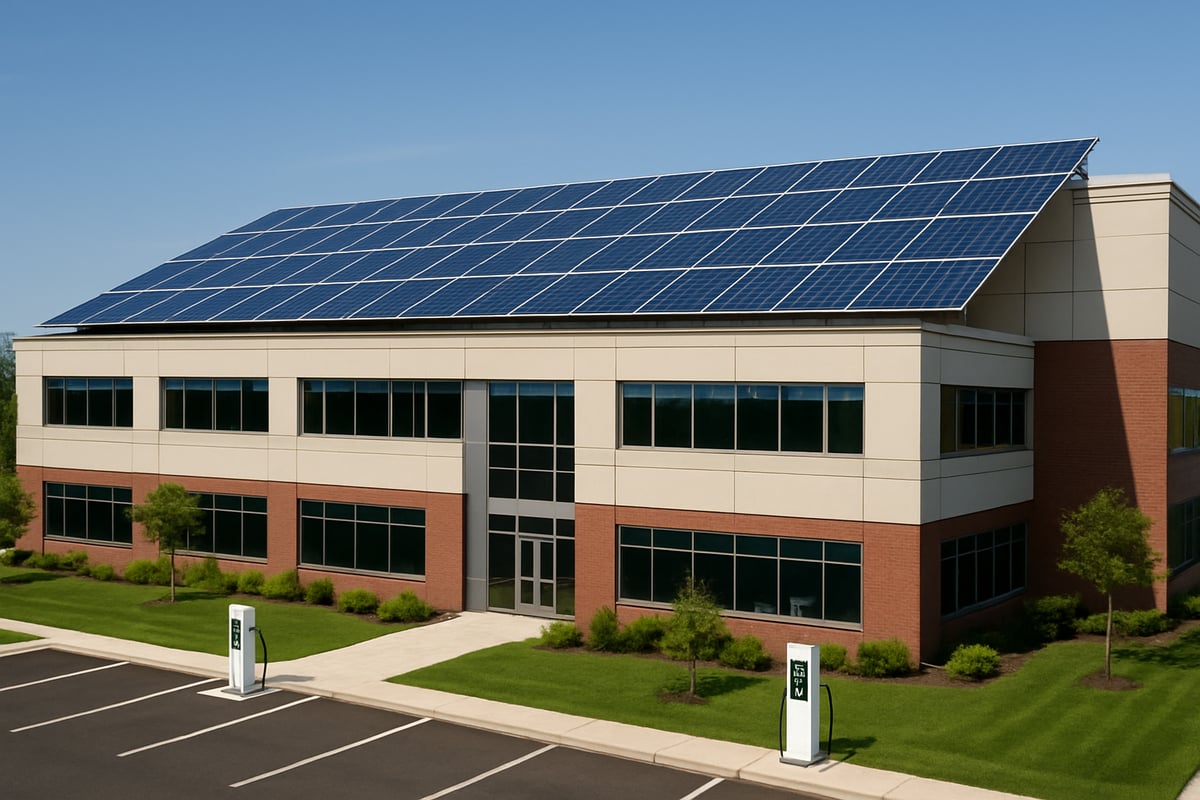
Zero-CapEx and Innovative Financing Models for Commercial Solar
Rising utility costs and policy shifts are pushing New Jersey businesses to rethink how they invest in commercial solar energy systems. Today, innovative financing models allow property owners to unlock the benefits of solar without draining capital reserves. This section breaks down the leading zero-CapEx options, investor-funded approaches, and actionable strategies for maximizing ROI with commercial solar energy systems.
No-CapEx Solar and Roof Replacement Programs
Zero-capital-expenditure programs are transforming how businesses approach commercial solar energy systems. These solutions eliminate upfront investment by bundling solar installation with roof replacement, making them ideal for properties with aging or failing roofs. Investors fund both the solar array and the new roof, recouping costs through long-term energy savings or lease payments.
For example, many New Jersey businesses now offset 100 percent of roof replacement costs by participating in solar leasing programs. This preserves working capital, improves net operating income, and delivers immediate utility bill savings.
To learn more about how these offerings work, visit Zero CapEx solar options for businesses for a detailed breakdown.
Power Purchase Agreements (PPAs) and Solar Leasing
Power Purchase Agreements (PPAs) are a cornerstone for financing commercial solar energy systems. Under a PPA, a third-party investor funds and owns the solar equipment, selling the electricity generated to the business at a fixed, discounted rate over 10 to 25 years. This model shields companies from utility price spikes and provides predictable energy costs.
Solar leasing, in contrast, allows property owners to monetize unused roof space by hosting solar panels. They receive guaranteed lease payments while an investor manages the system. Both PPAs and leases offer the benefits of solar with no maintenance or performance risk for the business.
Comparing options helps decision-makers align financing with operational goals.
| Model | Upfront Cost | Ownership | Savings | Risks/Responsibilities |
|---|---|---|---|---|
| PPA | $0 | Investor | Energy bills | Minimal for host |
| Lease | $0 | Investor | Lease income | Minimal for host |
| Direct Buy | High | Business | Maximum | Full (O&M, insurance) |
Direct Purchase and Ownership Benefits
Direct ownership of commercial solar energy systems delivers the highest long-term ROI for businesses with available capital. Owners capture all federal and state incentives, including the 30 percent Federal Investment Tax Credit and accelerated depreciation through MACRS.
While upfront costs are significant, direct purchase means businesses own the asset, control operations, and maximize energy savings. However, they assume responsibility for maintenance, insurance, and performance. For organizations prioritizing asset value and full incentive capture, direct purchase remains a leading choice.
Evaluating total cost of ownership and payback period is critical before committing capital to commercial solar energy systems.
Community Solar and Roof Leasing Opportunities
Community solar enables businesses and property owners to lease their roofs or land for shared solar projects. This model is especially attractive for those who cannot install their own commercial solar energy systems due to budget, structural, or tenant constraints.
By partnering with community solar developers, non-owner-occupiers and REITs can generate steady lease revenue while supporting local clean energy goals. Regulatory frameworks in New Jersey have made this approach viable, with successful pilot programs demonstrating strong returns and streamlined contracts.
Community solar expands access and creates new revenue streams from underutilized commercial assets.
Navigating Incentives and Tax Credits
Maximizing returns from commercial solar energy systems requires careful navigation of incentives. The federal Investment Tax Credit remains at 30 percent through 2032. Accelerated MACRS and bonus depreciation further enhance after-tax savings.
New Jersey’s ADI and SREC-II programs offer significant value for eligible projects, rewarding solar production with ongoing incentive payments. Stacking federal, state, and local incentives can dramatically improve ROI, but eligibility and application timelines vary.
Engage with experienced advisors to ensure your commercial solar energy systems capture every available benefit.
Solar Cents: Turnkey Commercial Solar Solutions
Solar Cents stands out as a trusted partner for businesses seeking to deploy commercial solar energy systems with zero upfront costs. With over 175 MW installed, their team specializes in New Jersey incentives, turnkey project management, and tailored financing models.
Clients can access no-cost solar and roof upgrades, PPAs, direct purchase, and community solar leasing opportunities. Solar Cents provides a free asset evaluation to identify savings potential and property value gains.
Their proven track record with commercial solar energy systems makes them a go-to resource for property owners and investors who demand performance and stability.
Step-by-Step Guide: Implementing Commercial Solar for Your Business
Implementing commercial solar energy systems requires a strategic approach from initial assessment to ongoing optimization. Each step builds on the last, ensuring your investment delivers maximum ROI, cost savings, and long-term value. Below is a clear, actionable roadmap to guide your business through every phase of the process.
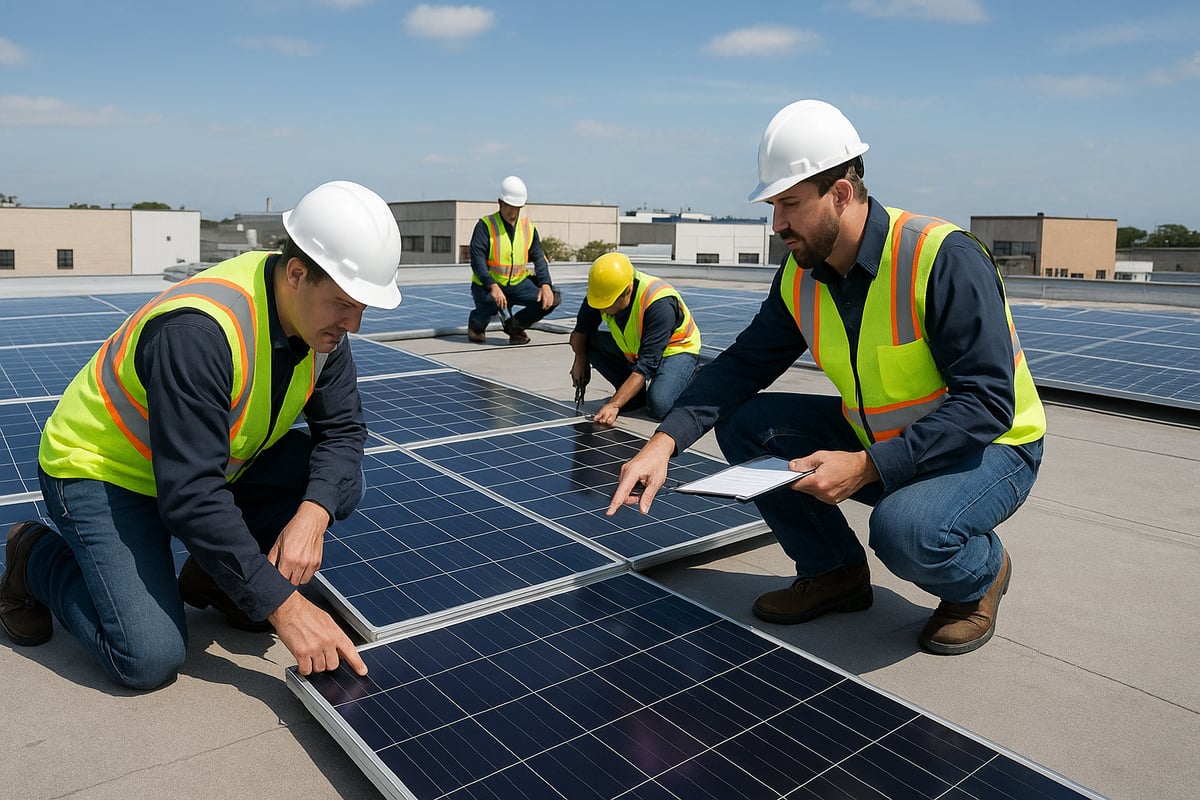
Step 1: Assessing Site and Energy Needs
The foundation for successful commercial solar energy systems is a thorough site and energy assessment. Begin by evaluating your roof’s age, structure, and overall suitability for solar. Facilities with newer or recently replaced roofs are ideal, but even older structures can qualify if paired with roof replacement programs.
Analyze your historical energy usage and identify periods of peak demand. This helps size the system accurately. Drone surveys and professional energy audits are often used to pinpoint underutilized roof space, parking lots, or adjacent land that can host solar arrays.
A detailed assessment not only reveals your property’s solar potential but also ensures the future system aligns with your operational needs and long-term business goals. This step positions you to maximize value from commercial solar energy systems.
Step 2: Financial Modeling and Incentive Analysis
Precise financial modeling is essential when evaluating commercial solar energy systems. Start by calculating payback period, internal rate of return (IRR), and projected cash flows for each available financing model. Consider factors such as direct purchase, power purchase agreements (PPAs), or solar leasing.
Incentives like the federal ITC, SRECs, and accelerated depreciation can shift your financial outlook dramatically. For deeper insight into cost factors and payback calculations, consult the Commercial solar installation cost breakdown.
Scenario planning helps you compare options side by side. Engaging solar finance experts at this stage ensures you capture all available opportunities and avoid costly oversights. Accurate modeling is the gateway to a profitable experience with commercial solar energy systems.
Step 3: Vendor Selection and Solution Design
Selecting the right partners is critical for commercial solar energy systems. Choose a qualified EPC (engineering, procurement, construction) firm with a proven track record in similar commercial projects. Review proposals for technology choice, warranties, service levels, and post-installation support.
Compare bids carefully, focusing on system output, disruption to daily operations, and expected ROI. Custom design is vital—your property’s unique characteristics should inform the layout, panel type, and inverter selection.
Prioritize vendors who offer transparency, references, and robust project management. This step reduces risk and ensures your commercial solar energy systems are tailored for peak performance and minimal business interruption.
Step 4: Securing Approvals and Permits
Navigating permits and approvals is a pivotal step in deploying commercial solar energy systems. You’ll need to secure local building permits, fire and safety inspections, and utility interconnection agreements. Each municipality may have unique requirements, so early coordination with local authorities is key.
Prepare for a permitting timeline of 2 to 6 months, though some states like New Jersey offer expedited processes for systems under certain sizes. Proactive documentation and clear communication with permitting bodies can prevent costly delays.
Meeting all code and safety requirements ensures your project proceeds smoothly, laying the groundwork for reliable and compliant commercial solar energy systems.
Step 5: Installation, Commissioning, and Grid Integration
Once approvals are in place, installation of commercial solar energy systems begins. The process includes staging equipment, mounting panels, electrical wiring, and integrating with your facility’s infrastructure. Professional crews work to minimize disruption, adhering to strict safety protocols.
Utility coordination is essential for grid connection and net metering setup. After installation, the system undergoes commissioning—testing for performance and safety before full activation.
This phase transforms your plans into a functioning, revenue-generating asset. Careful management here ensures your commercial solar energy systems deliver immediate and lasting benefits.
Step 6: Operations, Maintenance, and Performance Management
Long-term success with commercial solar energy systems depends on proactive operations and maintenance. Modern systems come equipped with real-time monitoring, enabling you to track performance, detect issues, and respond quickly to faults.
Scheduled maintenance and periodic cleaning keep output at optimal levels. Strong warranty coverage and responsive service teams further protect your investment.
Remote monitoring can reduce downtime by up to 30 percent, translating to higher savings and reliability. This step ensures your commercial solar energy systems continue to meet financial and operational expectations.
Step 7: Reporting, Compliance, and Ongoing Optimization
Ongoing management is vital for extracting maximum value from commercial solar energy systems. Regular ESG and sustainability reporting keeps stakeholders informed and supports compliance with incentive and regulatory requirements.
Plan for periodic recertification and system inspections to maintain eligibility for incentives. As your business grows, explore opportunities to expand or upgrade your system, leveraging performance data to drive continuous improvement.
Active management creates a feedback loop, allowing your commercial solar energy systems to evolve with your business and market changes.
Key Pitfalls and Best Practices
Avoid common pitfalls when deploying commercial solar energy systems by prioritizing due diligence at every stage. Underestimating roof condition, overlooking incentives, or choosing inexperienced vendors can undermine project success.
Best practices include starting with a detailed feasibility study, selecting partners with a strong commercial track record, and planning for future energy needs. Real-world case studies highlight that thorough preparation and expert guidance lead to smoother installations and superior financial outcomes.
By following these steps, your business will unlock the full potential of commercial solar energy systems, achieving greater savings, property value, and operational stability.
Maximizing ROI and Long-Term Value from Commercial Solar Investments
Maximizing the return on investment from commercial solar energy systems requires a strategic approach. Decision-makers must evaluate financial performance, property value, resilience, brand impact, and future scalability to secure long-term benefits. The following sections outline actionable tactics for businesses and property owners to achieve superior financial and operational outcomes.
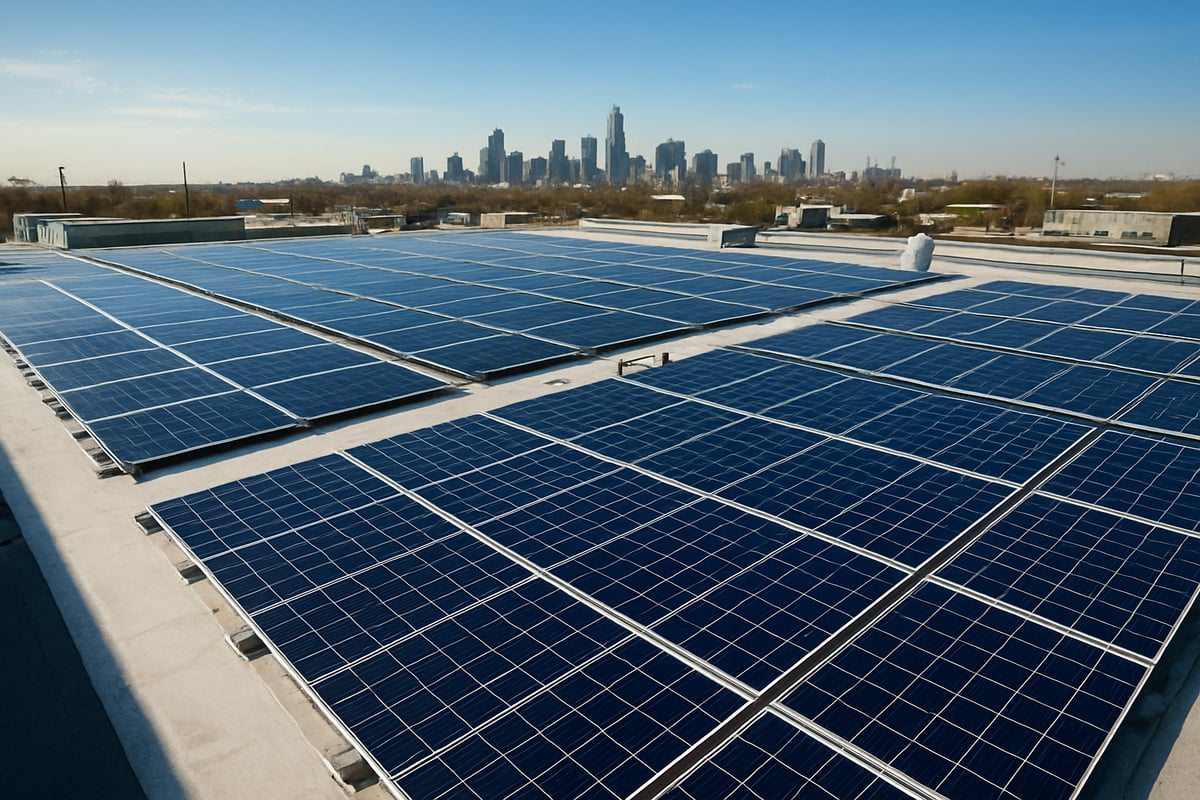
Calculating and Enhancing Financial Returns
The financial success of commercial solar energy systems hinges on understanding total cost of ownership, payback period, and internal rate of return. Businesses can maximize value by stacking incentives like SRECs, the 30 percent federal ITC, and accelerated depreciation. Strategic use of MACRS and bonus depreciation can further improve cash flow.
| Metric | Typical Range (NJ) |
|---|---|
| Payback Period | 4–7 years |
| IRR | 15–25 percent |
| Annual Savings | $0.12–$0.18/kWh |
Consulting real-world commercial solar case studies and benchmarks helps set realistic expectations and guide investment decisions for your commercial solar energy systems.
Increasing Property Value and NOI
Installing commercial solar energy systems can directly boost net operating income by reducing energy expenses and attracting sustainability-focused tenants. Property owners often experience improved cap rates and higher sale prices, as solar upgrades are viewed as valuable infrastructure.
Appraisers increasingly factor solar assets into property valuations, especially in competitive markets like New Jersey. According to ways solar increases commercial property value, buildings with solar command a 5–10 percent premium compared to non-solar peers.
Investors recognize these systems as a differentiator, making properties stand out in the leasing and sales market.
Energy Resilience and Risk Mitigation
Commercial solar energy systems provide on-site generation, reducing reliance on the grid and shielding businesses from volatile utility rates. Integrating battery storage enables backup power during outages and allows businesses to manage peak demand, supporting operational continuity.
Microgrid adoption is rising in critical sectors, offering further protection against utility disruptions. Insurance and warranty coverage should be reviewed to ensure long-term system reliability and financial security.
This focus on resilience is especially vital for facilities in regions with grid instability or frequent storms.
Sustainability, Brand Value, and Stakeholder Reporting
Adopting commercial solar energy systems supports ESG goals, enhances sustainability reporting, and strengthens corporate reputation. Investors and customers increasingly expect businesses to prioritize clean energy and transparent metrics.
Solar adoption can unlock access to green financing and sustainability-linked loans, while also improving engagement with employees and communities. Companies leveraging these systems often achieve higher stakeholder trust and regulatory compliance.
Robust tracking of energy production and environmental impact is essential for effective reporting and ongoing value.
Planning for Future Expansion and Upgrades
Commercial solar energy systems should be designed with scalability in mind. This includes planning for future load growth, integrating emerging technologies like EV charging, and ensuring contract flexibility for system expansion or relocation.
Staying updated on policy shifts and incentive changes enables businesses to act on new opportunities. Continuous performance monitoring and proactive maintenance help optimize returns and extend asset life.
A forward-thinking approach ensures your solar investment adapts alongside evolving business needs.
Navigating the New Jersey Solar Market: State-Specific Insights for 2025
NJ Incentive Programs and Regulatory Landscape
New Jersey remains a front-runner in supporting commercial solar energy systems with robust incentives and evolving regulations. The New Jersey Clean Energy Program, ADI, and SREC-II are central to driving down project costs and improving returns. Businesses can access a 30 percent federal ITC, state-level performance incentives, and bonus depreciation, making solar attractive for property owners and investors.
Recent updates have streamlined application processes and clarified eligibility for commercial solar energy systems. The 2025 outlook is optimistic, with additional competitive solicitations expected to expand funding and access. For a detailed summary of incentive timelines and values, see the New Jersey Solar Incentives Overview.
Regional Market Trends and Utility Rates
Commercial electricity rates in New Jersey have climbed steadily from 2022 to 2024, increasing the value proposition for on-site generation. The state surpassed 5 GW of installed solar capacity by December 2024, underscoring a strong commitment to clean energy and grid modernization. This growth in commercial solar energy systems is fueled by both rising utility costs and favorable net metering policies.
Businesses benefit from stable, predictable energy expenses and improved operational resilience. For further context on New Jersey’s progress, review the New Jersey’s Solar Energy Milestone.
Local Project Case Studies and Success Stories
Notable projects across New Jersey highlight the tangible benefits of commercial solar energy systems. System sizes range from 100 kW rooftop arrays on warehouses to multi-megawatt installations for manufacturing facilities. Payback periods typically fall between four and seven years, with many property owners leveraging zero-CapEx structures like PPAs and roof replacement programs.
Facility managers report average annual savings of $0.12 to $0.18 per kWh, driving significant NOI improvements. Project timelines are also improving, with many installations completed within six to nine months from contract to commissioning.
Unique Opportunities and Challenges in NJ
Aging commercial roofs present both a challenge and a unique opportunity for businesses considering commercial solar energy systems. Pairing a new roof with a solar lease or PPA allows property owners to upgrade infrastructure without major capital outlay. Local permitting and utility interconnection can be complex, but New Jersey’s reforms are streamlining approvals for qualified projects.
Maximizing incentives requires careful planning and experienced local partners. Businesses that act early can lock in higher incentive rates and position their assets for long-term value, sustainability, and tenant appeal.
As you’ve seen throughout this guide, the path to commercial solar in 2025 is clearer than ever—with new incentives, innovative financing, and turnkey solutions that make solar possible for virtually any business. Whether you’re looking to stabilize costs, increase property value, or meet your sustainability goals, the next step is understanding your unique opportunity. Let’s take the guesswork out of your solar journey together.
Schedule a Free Commercial Solar Assessment
You’ll get expert insights tailored to your property, with no obligation—so you can make informed decisions and maximize your savings.
